

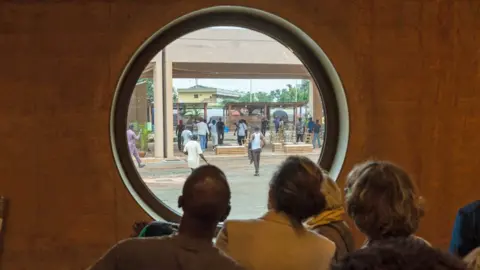
The nation's impressive new Museum of West African Art (Mowaa) has ended up in the center of local power politics during the week it was supposed to – but failed – to begin operations to the general public for the first time.
The Grand Vision
The large-scale complex stands in the center of Benin City, capital of the southern region of Edo – and includes an historical dig and structures created by high-profile British-Ghanaian architect Sir David Adjaye, best known for the Smithsonian African American Museum that was inaugurated in the US capital in 2016.
It has been half a decade in the making – and is designed to showcase both the history and the modern times of artistic expression in the area renowned for the Benin Bronzes, historical pieces taken from the king's palace by British soldiers in the 19th Century.
Readiness and Potential
It is notable – and ahead of the scheduled opening, Mowaa was energetic with employees committed to demonstrate it is a place that can match well-known museums and galleries in the Western world.
Internally preservation experts meticulously opened art pieces from secure wrapping, inspecting each artifact and taking detailed records before placing them on walls and plinths.
Specialists adjusted climate control systems. In the scientific facility, personnel set up instruments intended to maintain centuries-old items.
Funding and Economic Goals
The project has been the concept of investor Phillip Ihenacho – now Mowaa's managing director.
"I want us to have a significant economic benefit on local residents in this region," he explained to journalists, adding that he hoped to make this urban center "an arts hub."
Mowaa, a not-for-profit Nigerian institution, aims at establishing in excess of 30,000 work positions and contributing above $80m each year to the regional creative economy through alliances and programming.
Investment and Administrative Problems
It has required $25m to achieve this stage – money collected from multiple contributors, featuring the international partners, the British Museum and the regional authorities.
But at present the regional administration has revoked permission from below it – terminating the use of the site on which the facility was constructed.
An Edo state spokesperson explained this was because in the initial documents it had identified as EMOWAA – and it had since dropped "the state identifier" from its title.
Unrest and Official Response
This announcement came after rallies on the weekend, when people invaded the facility calling for it be designated the Museum of the Benin Kingdom.
A disruptive group confronted overseas dignitaries at the facility before the opening – forcing them to be quickly removed under police escort.
President Bola Tinubu has additionally intervened to attempt to settle the conflict, establishing a presidential committee to address the controversy.
Administrative Challenges
But why has this turned into so politicised – and such a reputation problem?
Much of it results from internecine rivalries at a local state level, as it was the former state leader Godwin Obaseki – whose administration finished recently – who was a primary advocate of the museum.
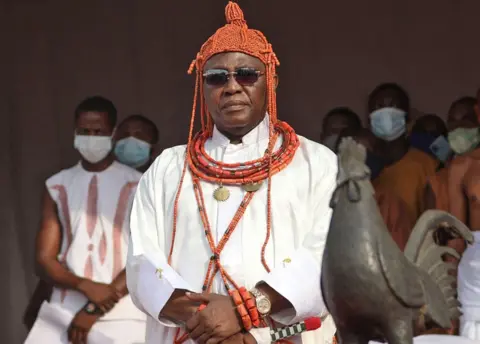
And it looks like the government of the new governor, a strong supporter of the regional monarch, referred to as the royal figure, may desire more of a stake in the venture. The demonstrators on Sunday, for example, were calling for that the institution be positioned under the authority of Oba Ewuare II.
The Benin Bronzes Controversy
This brings into focus the contentious issue of the historical artworks, one of the continent's most famous artistic heritage.
Because even if the museum does eventually begin operations, these bronzes will be noticeably missing.
They are brass, ivory and wooden sculptures that once embellished the king's residence of the Benin Kingdom before UK forces stole them in 1897 during a punitive expedition.
Today, many continue to be spread across galleries in Europe and North America -- including the British Museum, European center and the New York institution.
Restitution Efforts
Their repatriation has become one of the most debated conversations in the global art world. About 150 have currently made their way home – and more are expected to return.
When proposals for the museum in the urban center were initially revealed in the pre-pandemic era, the key players on the national arts community expected it would become their perfect venue – a modern campus to display them to the world.
But the issues became confused two years ago after the federal government stated that the Oba would be the legal custodian of any returned bronzes – and the palace campaigned for a museum under the king's authority, opposing the wishes of Obaseki.
Diplomatic Challenges
This left Mowaa in a difficult situation: expressing a clear stance on restitution while being careful on custodianship – and emphasising its broader vision, which led to|c


